Enhancing Mental Health Billing Efficiency with Specialized Mental Health Billing

Efficient billing processes are essential for healthcare providers, especially in the mental health sector. Managing claims, reimbursements, and compliance can be complex and time-consuming. I have found that adopting specialized mental health billing practices can significantly improve cash flow and reduce administrative burdens. This article explores practical strategies and insights to enhance billing efficiency in mental health services.
Understanding the Importance of Specialized Mental Health Billing
Mental health billing differs from general medical billing due to unique coding requirements, insurance policies, and regulatory standards. Providers must navigate complex documentation and billing codes such as CPT codes specific to psychotherapy and psychiatric services. Without specialized knowledge, errors can lead to claim denials or delayed payments.
By focusing on specialized mental health billing, practices can:
Ensure accurate coding and documentation
Reduce claim rejections and denials
Improve reimbursement rates
Maintain compliance with healthcare regulations
For example, understanding the nuances of billing for telehealth mental health services, which have expanded recently, is critical. Providers who adapt quickly to these changes avoid revenue loss and maintain steady cash flow.

Key Strategies to Improve Billing Efficiency in Mental Health Practices
Improving billing efficiency requires a combination of technology, staff training, and process optimization. Here are some actionable recommendations:
1. Invest in Specialized Billing Software
Using software designed for mental health billing can automate many tasks such as claim submission, eligibility verification, and payment posting. These systems often include features tailored to mental health codes and payer requirements.
2. Train Staff on Mental Health Billing Codes and Regulations
Regular training ensures billing staff stay updated on changes in CPT codes, ICD-10 codes, and payer policies. This reduces errors and speeds up claim processing.
3. Implement Clear Documentation Practices
Accurate and thorough documentation supports billing claims and helps avoid denials. Providers should document session details, treatment plans, and patient progress consistently.
4. Monitor and Analyze Billing Metrics
Tracking key performance indicators such as claim denial rates, days in accounts receivable, and reimbursement percentages helps identify bottlenecks and areas for improvement.
5. Outsource to Expert Billing Services When Needed
Partnering with mental health billing services can relieve administrative burdens and leverage specialized expertise to maximize revenue.
Common Challenges in Mental Health Billing and How to Overcome Them
Mental health billing faces several challenges that can impact efficiency and revenue. Understanding these issues allows providers to implement effective solutions.
Complex Insurance Policies and Coverage Limitations
Many insurance plans have specific limitations on mental health benefits, such as session caps or prior authorization requirements. Staying informed about each payer’s policies is essential.
Frequent Claim Denials Due to Coding Errors
Incorrect or incomplete coding is a leading cause of denials. Using specialized billing software and ongoing staff education can reduce these errors.
Managing Telehealth Billing
The rise of telehealth has introduced new billing codes and regulations. Providers must ensure they use the correct codes and document telehealth sessions properly.
Compliance with Privacy Regulations
Mental health billing must comply with HIPAA and other privacy laws. Secure handling of patient information and billing data is mandatory.
Delayed Payments and Cash Flow Issues
I have seen that delayed reimbursements can strain practice finances. Regular follow-up on unpaid claims and efficient denial management are critical to maintaining cash flow.
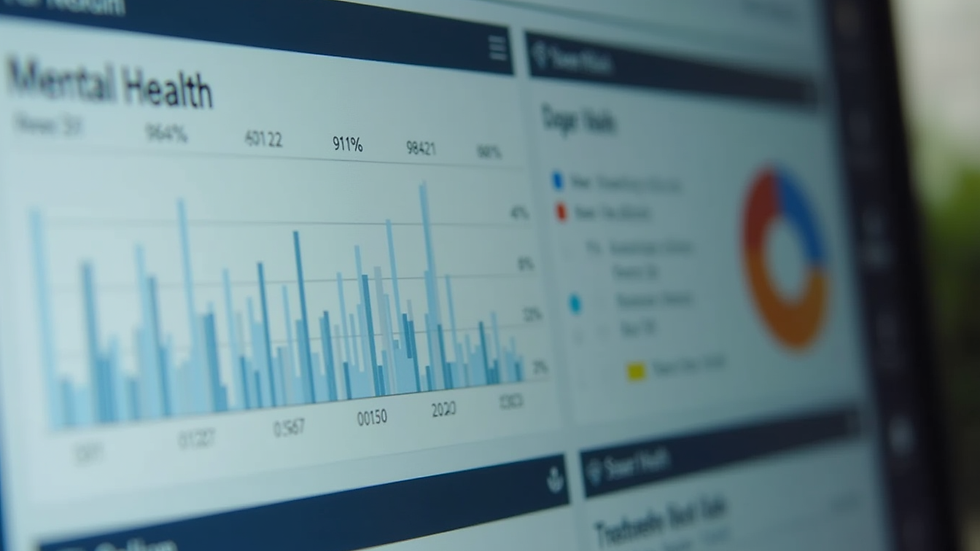
Leveraging Technology to Streamline Mental Health Billing
Technology plays a vital role in enhancing billing efficiency. Here are some ways to leverage it effectively:
Electronic Health Records (EHR) Integration: Integrating billing with EHR systems reduces duplicate data entry and improves accuracy.
Automated Eligibility Verification: Real-time insurance verification prevents billing errors before claims are submitted.
Claim Scrubbing Tools: These tools check claims for errors and missing information, reducing denials.
Patient Portals for Billing and Payments: Allowing patients to view and pay bills online speeds up collections.
Analytics and Reporting: Advanced reporting tools help identify trends and optimize billing processes.
By adopting these technologies, practices can reduce administrative workload and improve financial performance.
Best Practices for Maintaining Compliance and Accuracy
Maintaining compliance and accuracy in mental health billing is non-negotiable. Here are some best practices I recommend:
Regular Audits: Conduct internal audits to identify and correct billing errors.
Stay Updated on Regulations: Keep abreast of changes in healthcare laws and payer policies.
Clear Communication with Payers: Establish good relationships with insurance companies to resolve issues quickly.
Secure Data Management: Use encryption and secure systems to protect patient and billing information.
Documentation Standards: Follow standardized templates and guidelines for clinical documentation.
These practices help avoid costly penalties and ensure smooth billing operations.
Moving Forward with Enhanced Billing Efficiency
Improving mental health billing efficiency requires a strategic approach combining specialized knowledge, technology, and process improvements. By focusing on these areas, healthcare providers can reduce administrative burdens, increase revenue, and maintain compliance.
I encourage practices to evaluate their current billing workflows and consider partnering with experts or adopting specialized tools. Efficient billing is not just about faster payments; it is about creating a sustainable financial foundation that supports quality patient care.
Enhancing billing efficiency is an ongoing process. Staying proactive and informed will help mental health providers navigate the complexities of billing and reimbursement successfully.


Comments